Case Study

FYI

About

FYI is an influencer marketplace connecting brands with influencers across the full lifecycle: discovery, contracts, campaigns, creative briefs, analytics, and payments. As the sole designer and de facto PM, I led a complete overhaul of both the brand and influencer portals over two years. The redesign grew the influencer base by 20,000 and drove a 30% increase in platform revenue.

2019 – 2021

Impact

  • 20,000 new influencers added
  • 30% revenue increase
  • Full redesign shipped across both portals

Collaborators

  • CEO
  • Engineering Lead
  • 1 Front-end Developer
  • 2 Engineers

My Role

Senior UX Designer (Sole Designer, acting PM)

The Problem
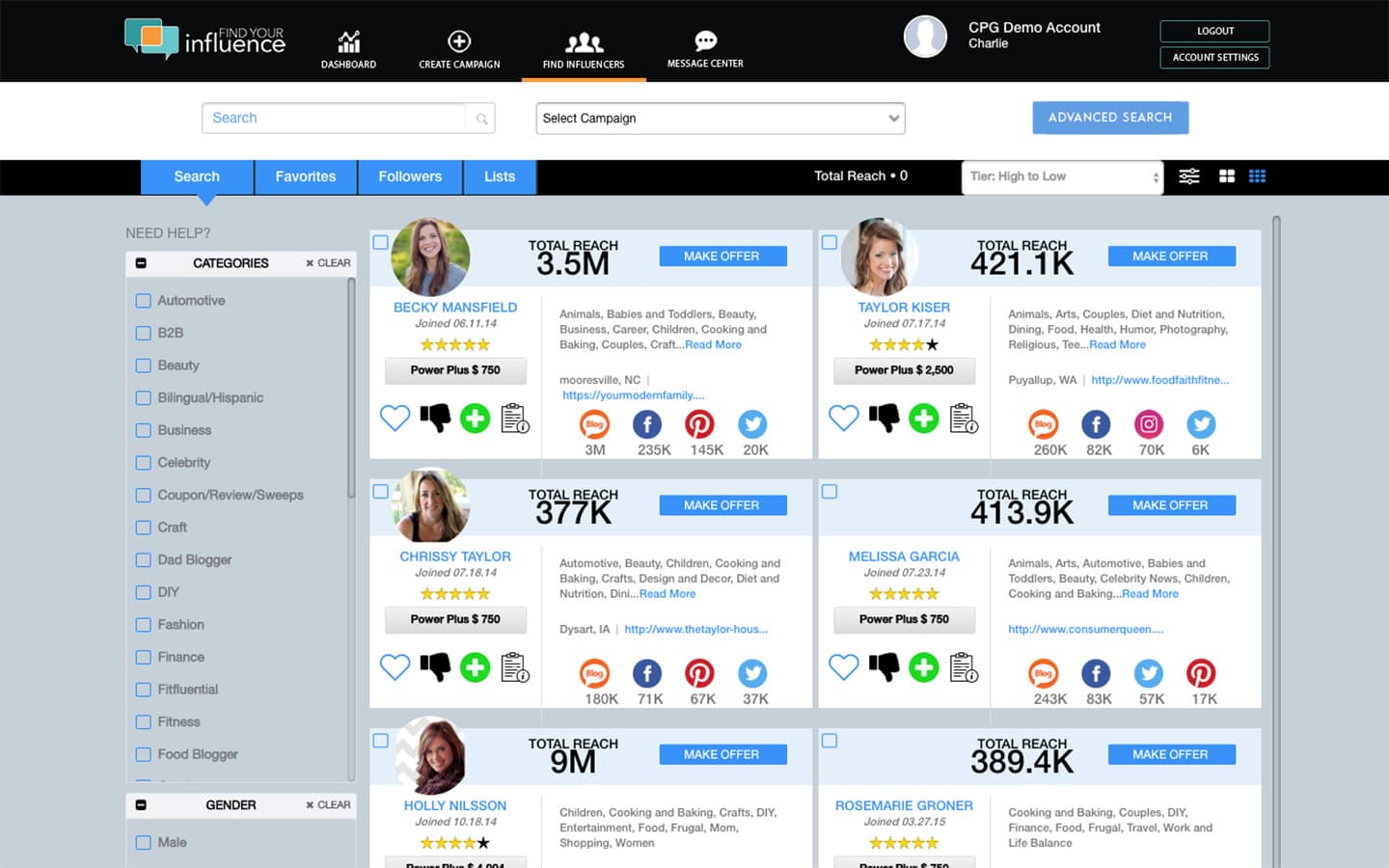
The platform had been built by an offshore team over several years. Features were bolted on without consideration for how they worked together. The experience was painful on both sides: brands couldn’t find the right influencers, influencers had little reason to stay, and the internal reps managing relationships day to day were fighting the tool as much as the people they were trying to help.

Legacy FYI platform showing fragmented brand and influencer experiences

Discovery

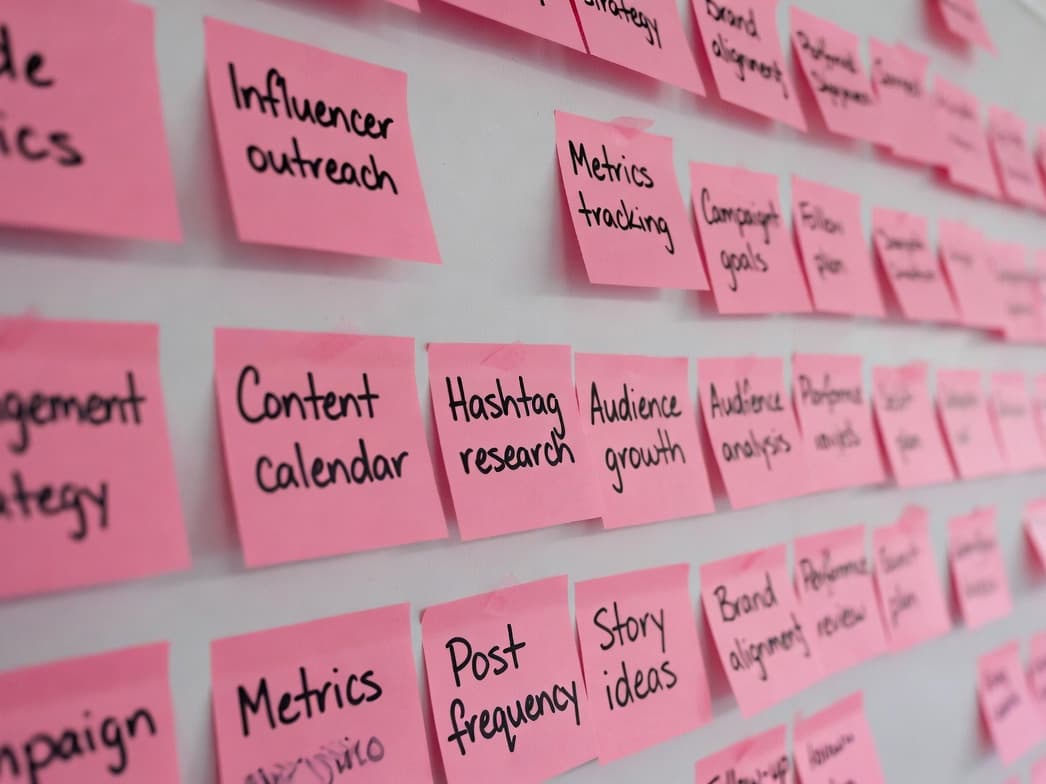
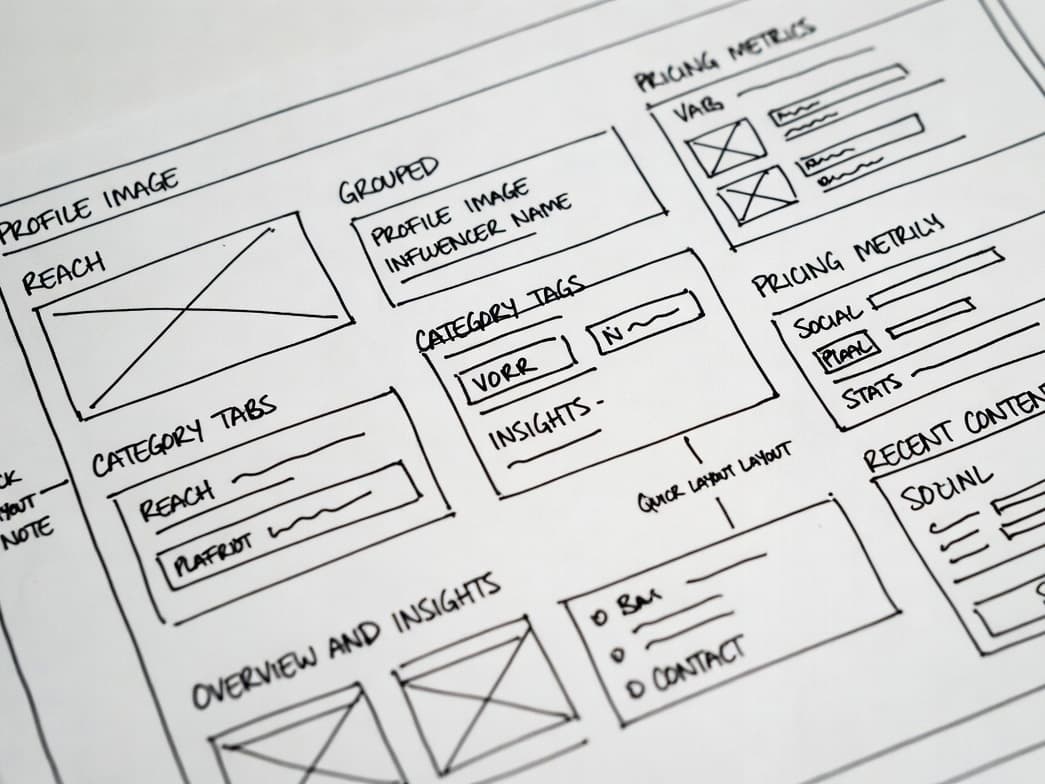
I interviewed influencers, internal influencer reps, and brand clients to map pain points across all three groups. I ran design thinking exercises with influencers and brands to understand what information actually mattered during search: reach, demographics, age, interests, engagement rates. I also created personas for both sides of the marketplace to anchor design decisions throughout the project. The most revealing finding was how broken search really was. Brands had a wall of checkboxes running down the left side of the screen, and most didn’t even know what criteria they could filter by.

Research notes from user interviews
Early sketches from design thinking exercises

Influencer Search Redesign

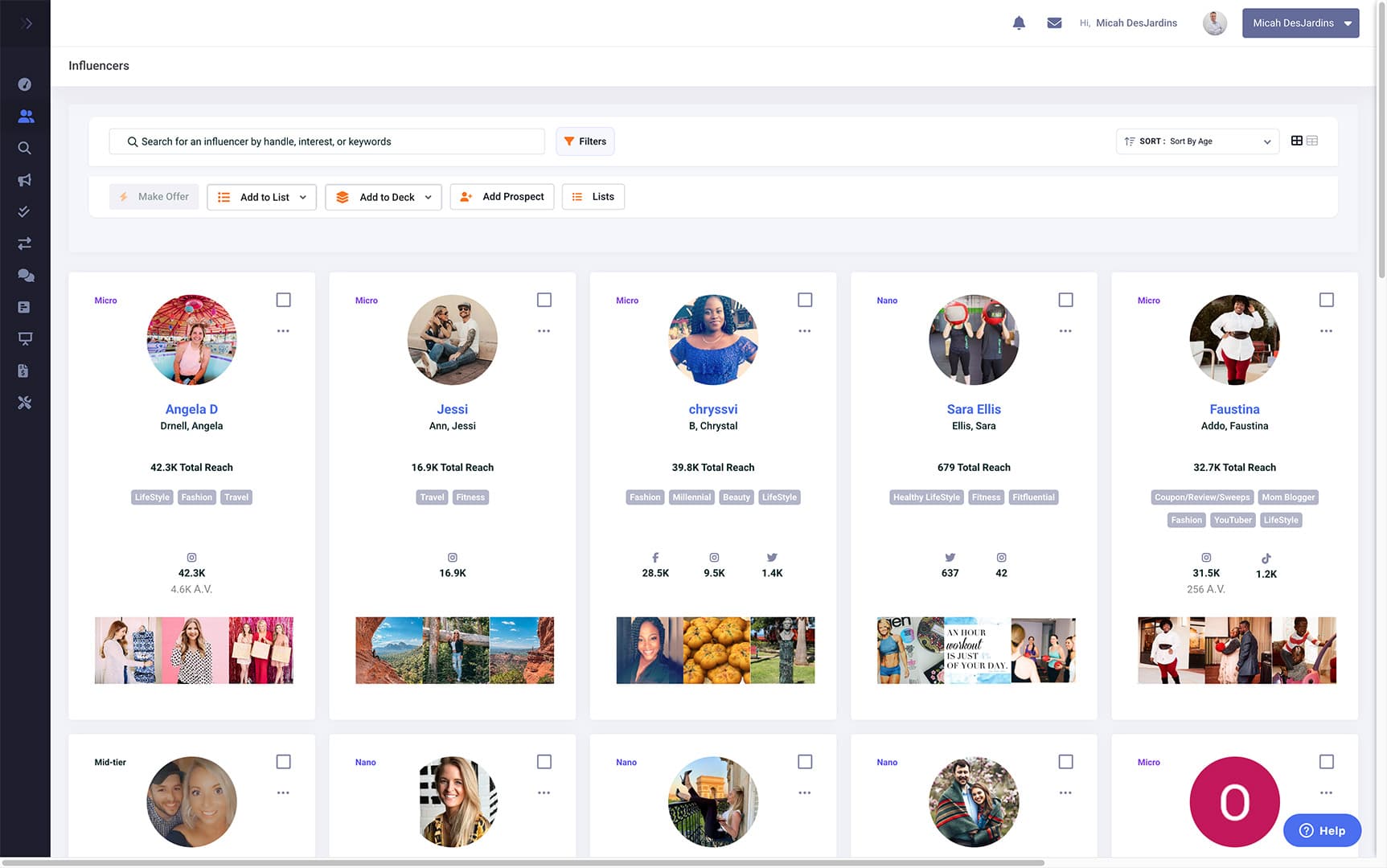
The legacy search used a long sidebar of checkboxes. Every filter change refreshed a dense results list where influencer cards competed for attention with no visual hierarchy. Evaluating a single influencer meant leaving search entirely. After multiple rounds, the approach that shipped used a dual-input model: brands could select from structured dropdowns or type plain-text descriptions that converted into tags. Both paths produced the same filtered results, so power users could move fast with free-text while newer users could browse available options. Influencer cards were simplified with clear hierarchy, and clicking a card opened a detail panel without leaving search.

Influencer Portal

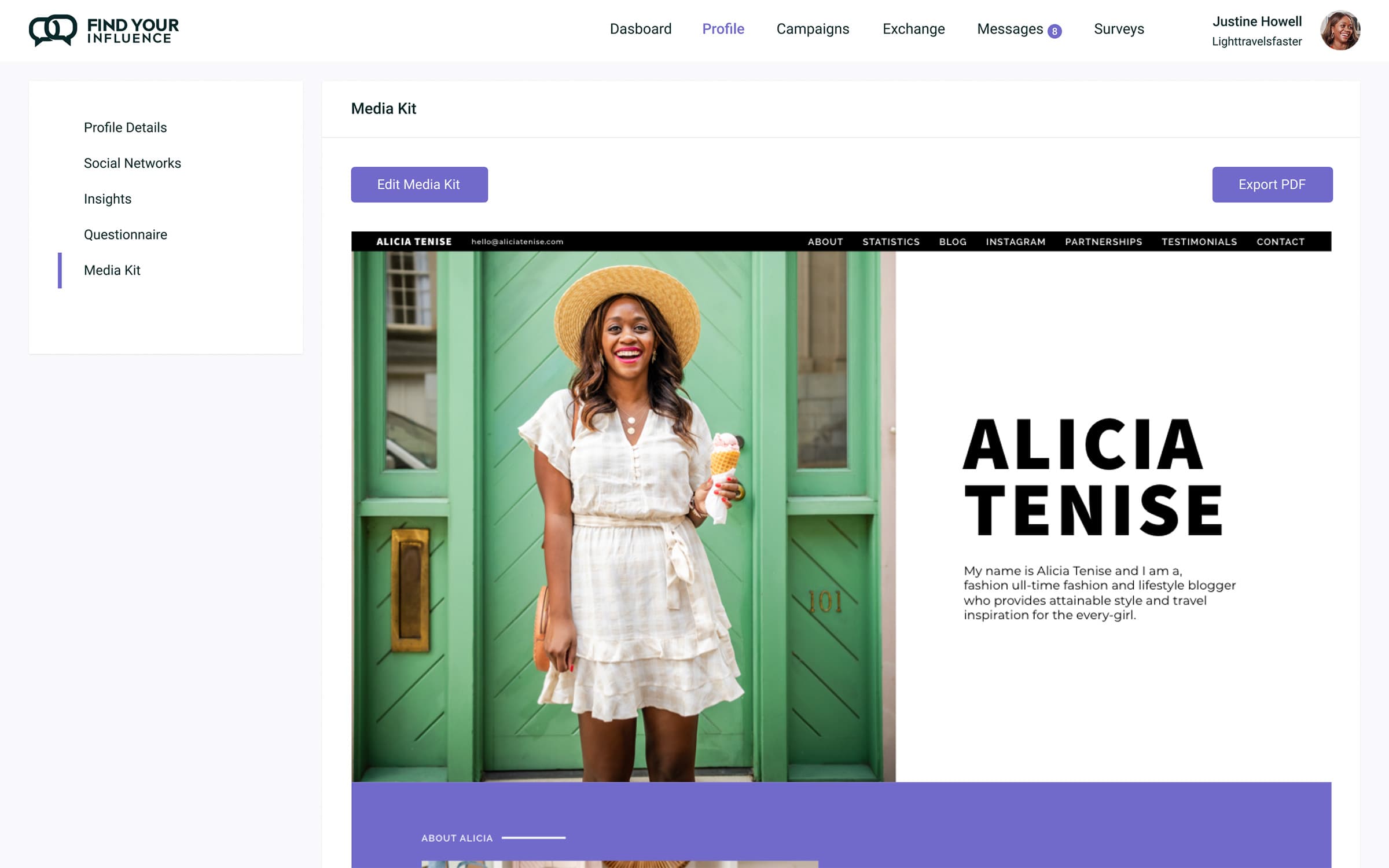
To grow the supply side, we needed to give influencers a reason to join. The answer was a self-service portal: influencers could create a profile page, connect social accounts, pull in feeds and images, and build a shareable representation of themselves to send to brands outside the platform. I tested layouts with about a dozen influencers to learn which data they actually wanted to lead with versus what we assumed they would. The portal became the primary driver for influencer acquisition, adding roughly 20,000 influencers to the platform.

Influencer self-service portal with connected social accounts and shareable profile

Validation

The redesigned platform shipped across both portals. The influencer base grew by 20,000, driven largely by the self-service portal. Platform revenue increased by 30% as improved search and campaign tools brought in new brand clients. The full lifecycle, from onboarding through analytics and payments, was rebuilt into a cohesive experience that replaced the legacy system entirely.

Navigation

All work