Case Study

Mirador

About

Mirador is AWS’s internal security posture platform. As the sole designer, I replaced six fragmented tools with a single unified dashboard. The platform rolled out company-wide in Q4 2024, fully retiring all legacy tools, with a 4.6/5 task satisfaction score.

2017 – 2018

Impact

  • 6 legacy tools replaced
  • 4.6/5 task satisfaction
  • Company-wide rollout

Collaborators

  • Product Manager
  • Engineering Lead
  • 1 Front-end Developer
  • 11 Engineers

My Role

Senior UX Designer (Sole Designer)

The Problem
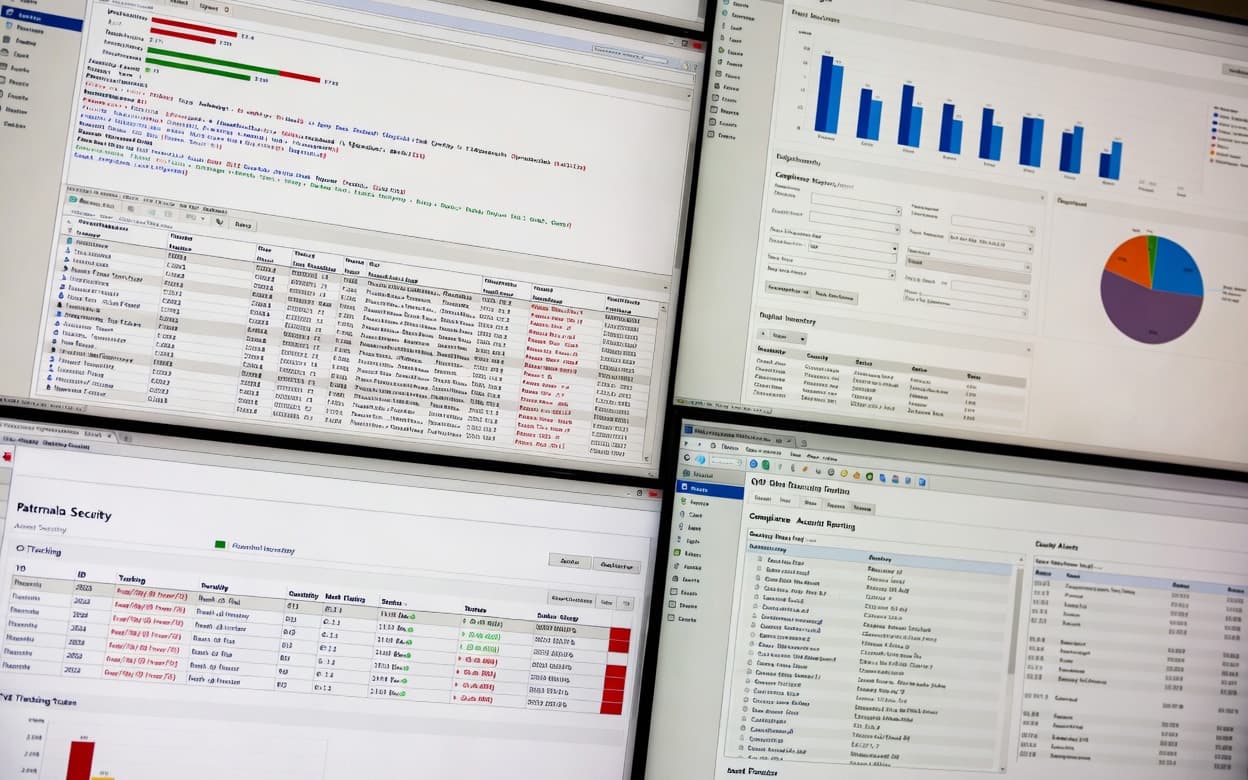
AWS developers had six separate security tools, each built by a different group, each covering a different slice of the picture: patch status, CVEs, compliance, and more. No single tool showed the full posture. Developers stuck to the one or two they knew and ignored the rest. Violations went unnoticed. Teams got flagged in quarterly reviews because a critical patch had been sitting unaddressed for weeks, buried in a tool nobody checked. Managers had it worse: zero visibility into how their orgs were actually doing.

Diagram showing a developer navigating between six separate security tools to piece together their full security posture

Discovery

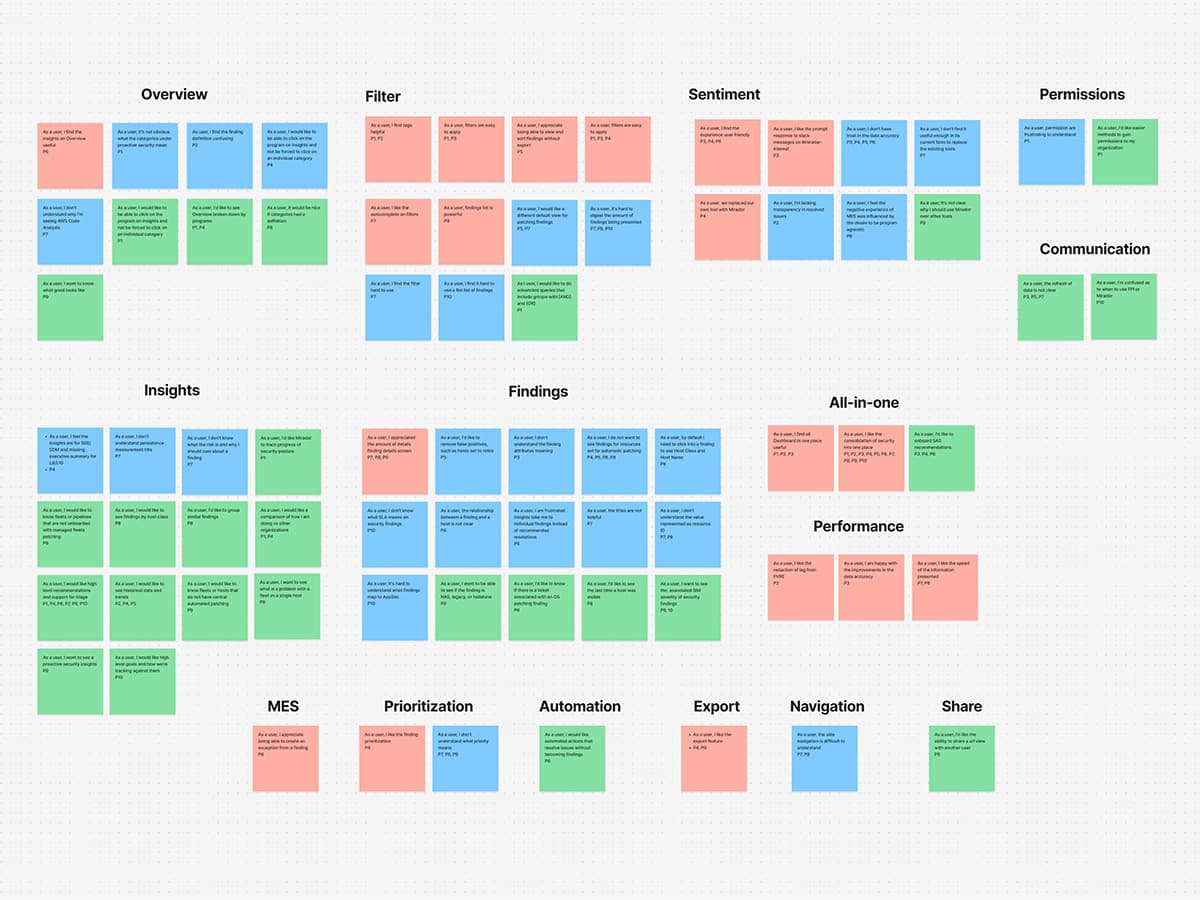
I interviewed 30 developers across AWS and audited all six existing tools. The core insight: developers weren’t confused by security concepts. They couldn’t afford the friction of checking six tools. Most didn’t know their true posture, and neither did their managers. The most surprising finding was about priority: a “medium” violation on a high-traffic production service mattered more than a “critical” on a deprecated test environment. Standard severity thresholds didn’t match how anyone actually worked. That insight directly shaped the saved filter system.

Research synthesis showing common pain points across developer interviews
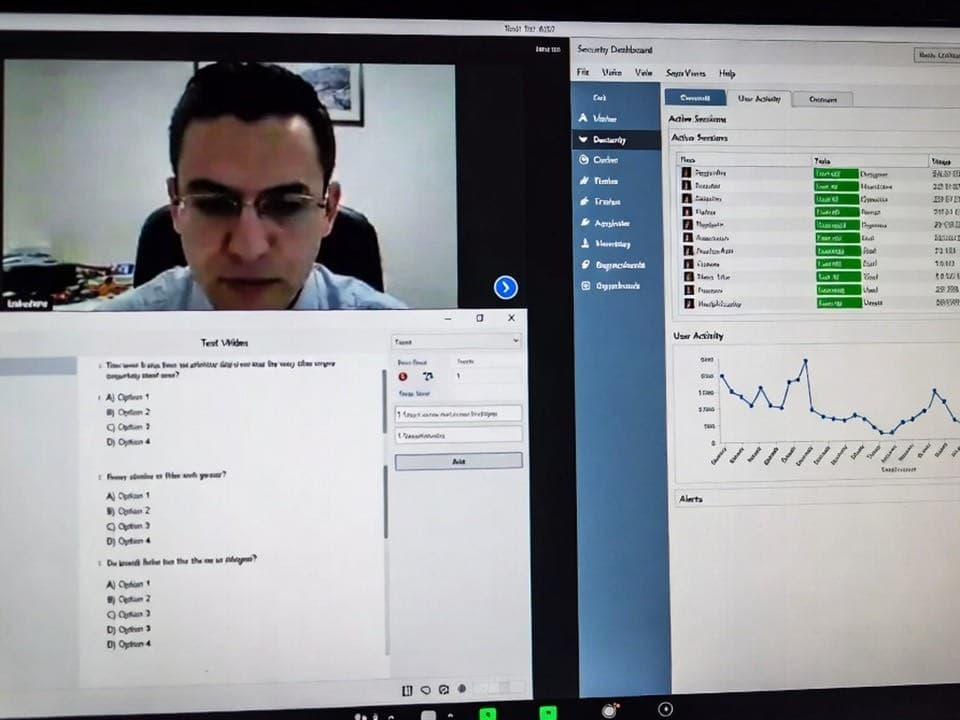
Task flow documenting the steps a developer took across six tools to assess their security posture

From Andy Jassy to Individual Contributor
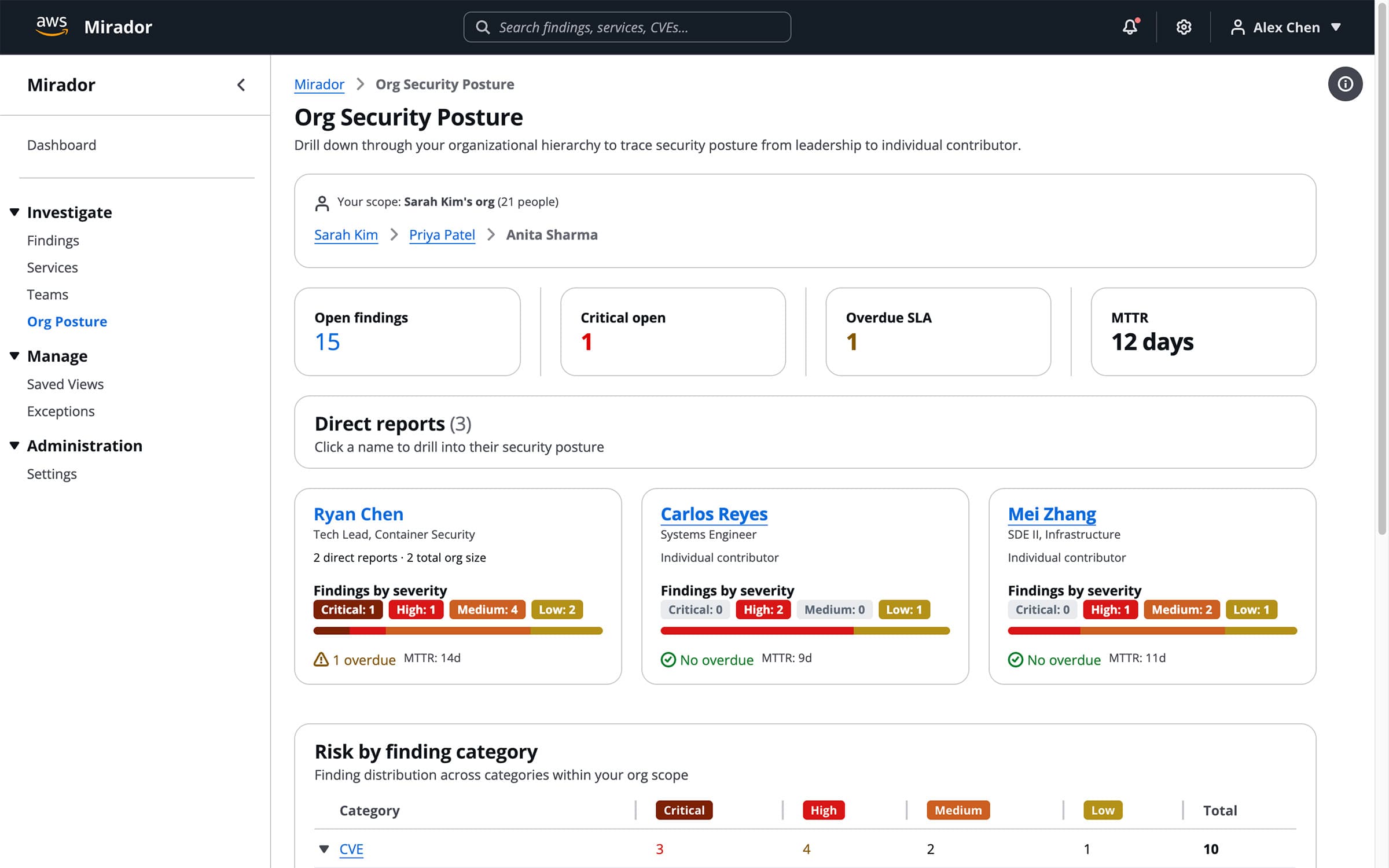
The platform needed to serve every level of AWS’s hierarchy: a dozen levels from CEO to individual contributor. The interaction model was a drill-down: click a manager, shift to their perspective, see their direct reports and security status, keep drilling until you find the unpatched server causing the problem. An early approach let anyone see anyone’s team across the entire organization. We killed that. The final model scoped visibility to your own downward chain. You could see everyone beneath you, but not laterally or upward. The right call for both security and cognitive load.

Cascading leadership view showing a manager drilling down into a subordinate team’s security posture

Saved Filters: From Mirador to the Entire Design System
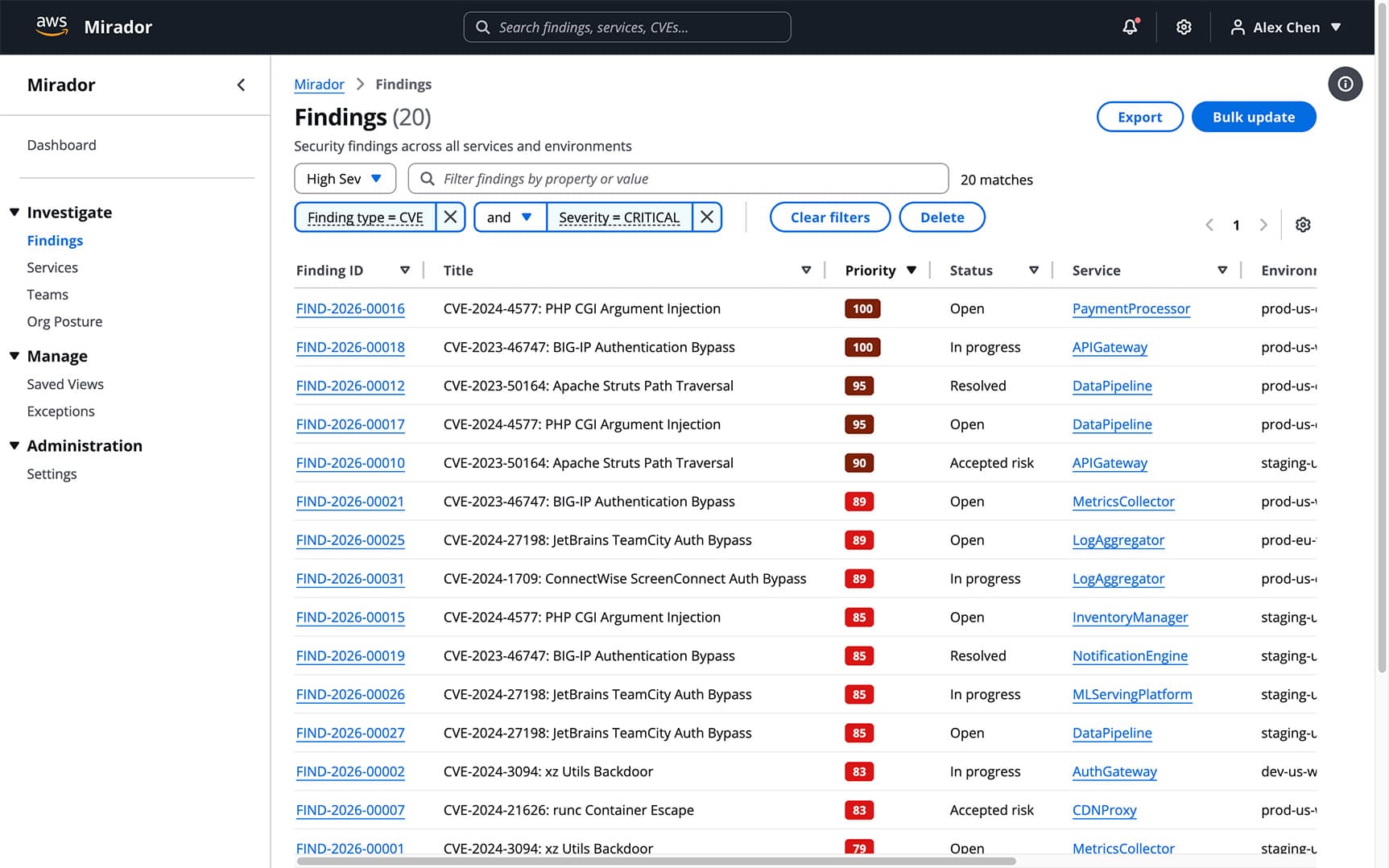
Cloudscape, AWS’s design system, had no way to save a filter configuration and return to it later. An open internal request for four years with no solution. I built it for Mirador: build a query, save it with a name, set it as your default view. ICs, managers, and auditors each got a view that matched how they actually worked. After shipping, I generalized the component with the Cloudscape team and published it to the design system. It was adopted by 300+ designers across AWS.

Device View, Vulnerability View, Criticality View
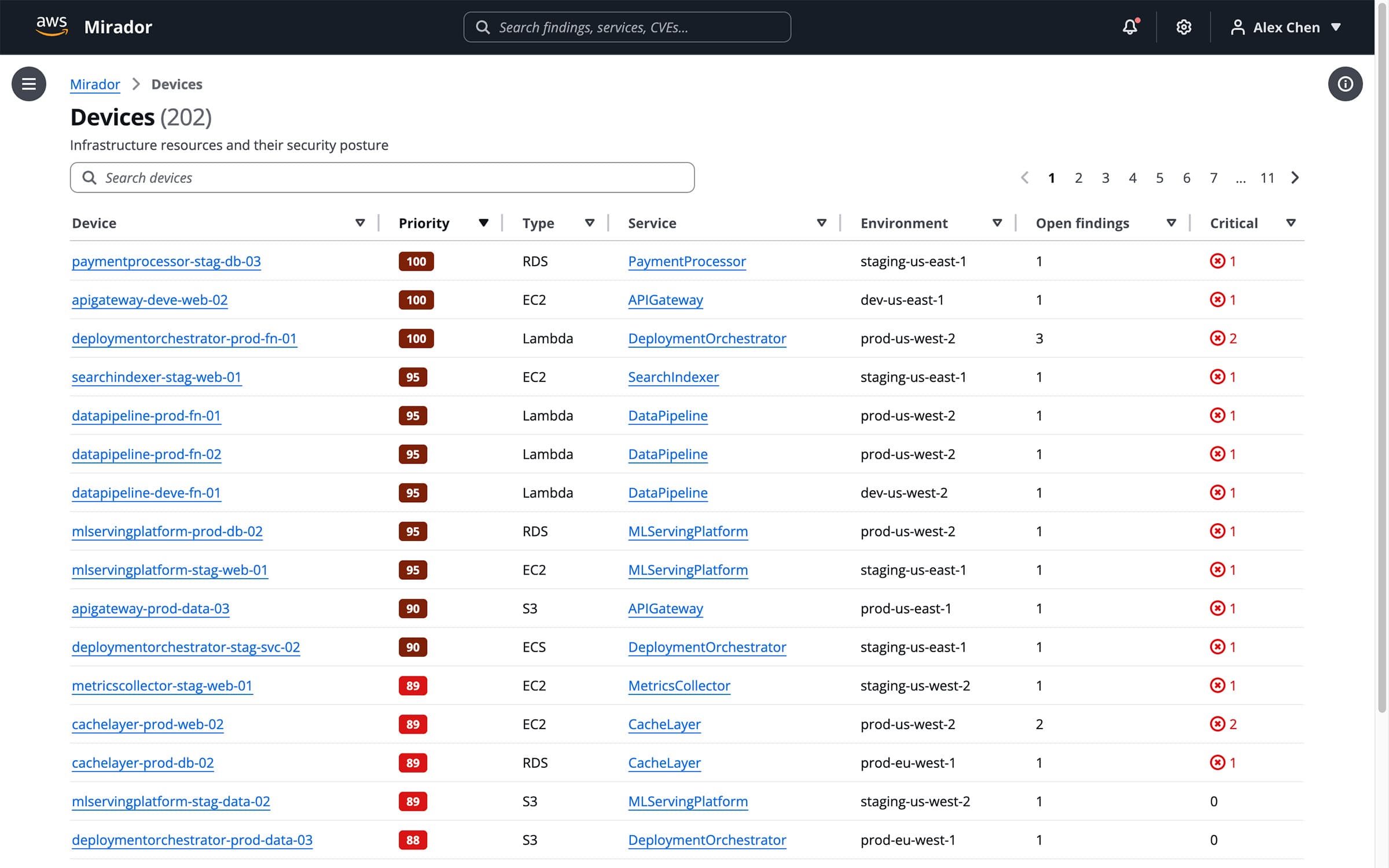
Three viewing modes emerged from interviews and testing. A criticality view ranked all violations by severity: the “what’s on fire” scan. A device view grouped violations by system, so operators monitoring specific high-value servers could see all associated risks in one place. A vulnerability view flipped the axis: pick a specific threat and see every device it affects, useful for understanding blast radius.

Three viewing modes for security data: criticality view, device view, and vulnerability view
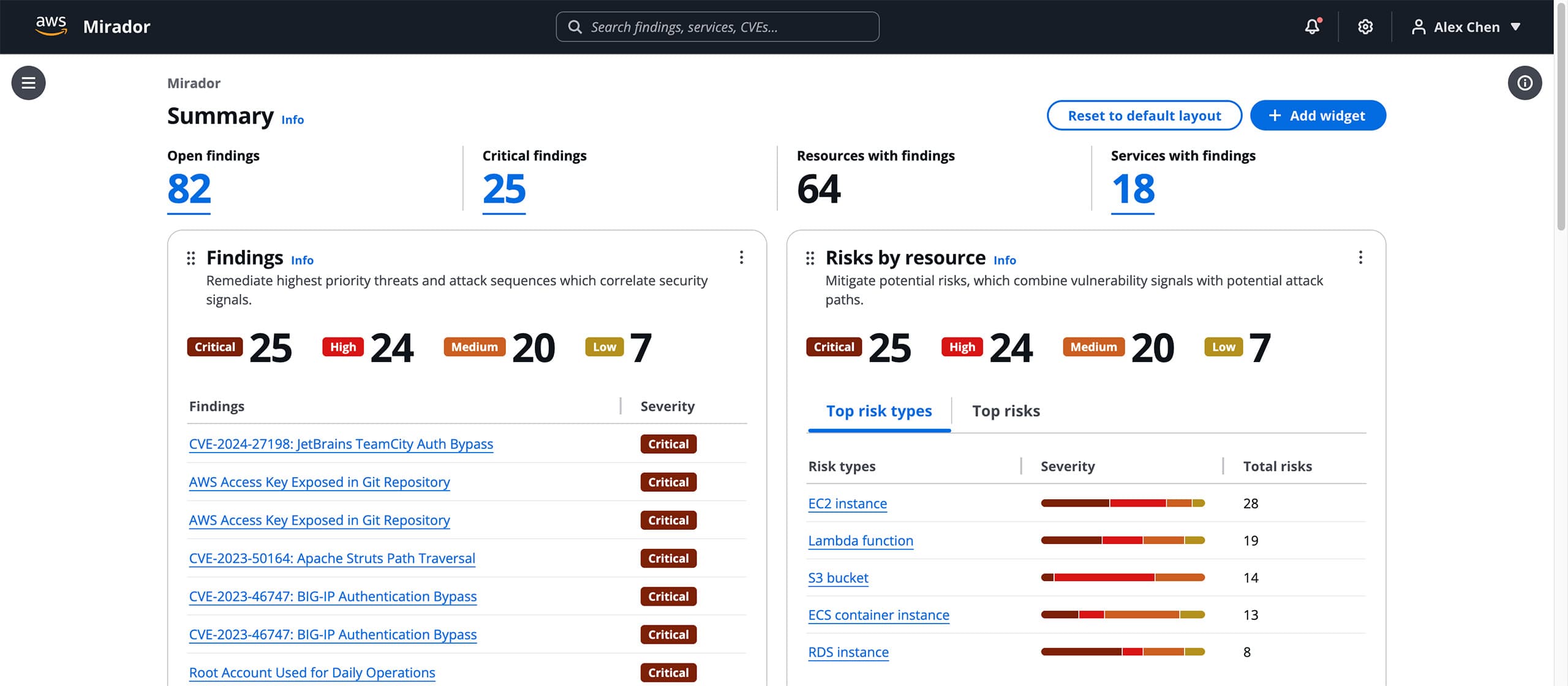
Mirador’s individual developer dashboard showing a unified view of all security violations, resources, and criticality levels

The individual developer view: every vulnerability, every device, every priority level, in one place.

Validation

Mirador shipped company-wide in Q4 2024. All six legacy tools were fully retired. Usability testing averaged a 4.6/5 satisfaction score across core tasks. The saved filter component was adopted into the Cloudscape design system and is now used by 300+ designers across AWS. The platform remains in active use today.

Navigation

All work